
Share Miguel Ripol's obituary with others.
Invite friends and family to read the obituary and add memories.
Stay updated
We'll notify you when service details or new memories are added.
You're now following this obituary
We'll email you when there are updates.
Select your format and elements to print

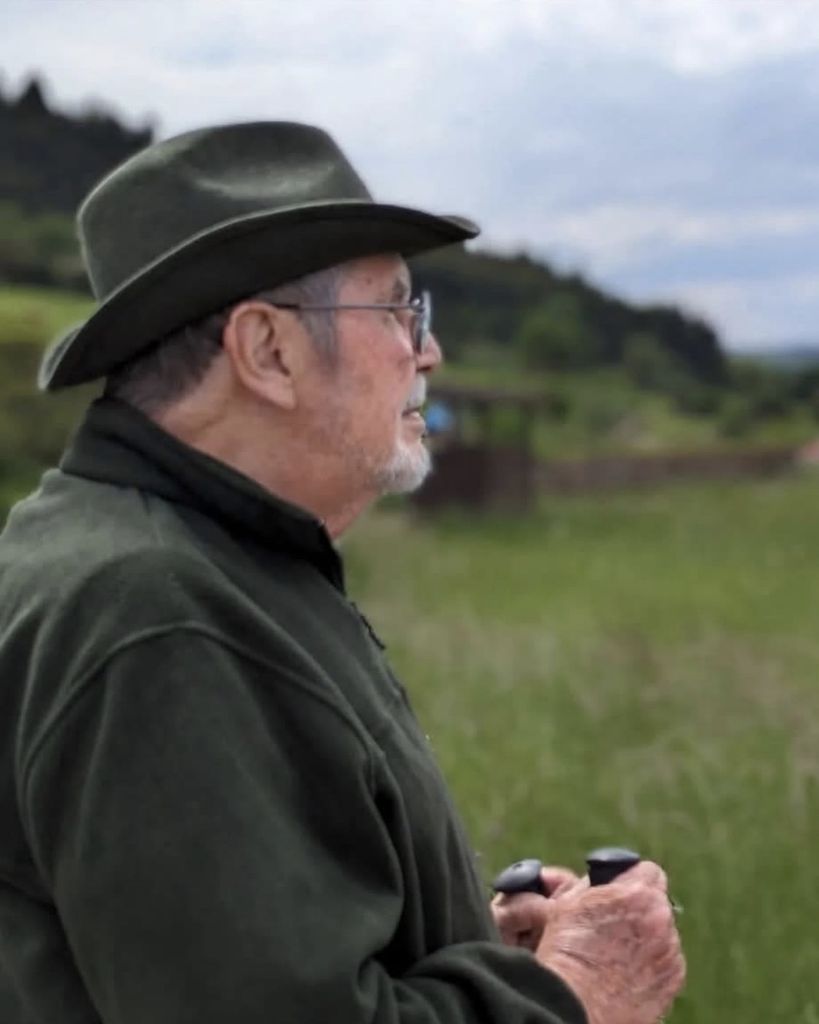


Miguel Ripol
Jan 29, 1942 — Aug 22, 2026
Sunrise
Miguel Ripol Martínez lived a life that often felt like five. He crossed countries, survived revolutions and exile, built and rebuilt homes and families, argued passionately with nearly everyone he met, and remained convinced that people were more complicated, more redeemable, and more deserving of grace than society tends to allow.
He was idealistic, stubborn, generous, proud, endlessly curious, occasionally maddening, and impossible to forget.
Born in 1942 to Miguel Ripol Gutiérrez and Digna Martínez Castillo, Miguel was raised in Havana and came of age during one of the most turbulent periods in Cuba's history. The events he witnessed there would shape him for the rest of his life. At nineteen, carrying little more than the advantage of having been born a Venezuelan citizen, he left Cuba and the world he had known.
After brief stays in Venezuela and Mexico, he settled in Puerto Rico, a place he often said was where he became a man. There, he studied accounting at the Universidad Interamericana de Puerto Rico, built a career, raised a family, and developed the passions that would animate him for the rest of his life: politics, history, theology, literature, music, and the many contradictions of human nature. He later made a home in Venezuela, where he welcomed another son, before eventually rebuilding his life in Florida, where he spent his final years.
Those experiences could have made him bitter. At times, perhaps, they did make him cynical. But they also deepened his belief in freedom, human dignity, and our obligation to care for one another. He often quoted Ortega y Gasset: "Yo soy yo y mi circunstancia" «I am I and my circumstance.» To Miguel, the words were a reminder that no one is born inherently better than anyone else. Some people are simply dealt a better hand. What matters is what we do with it, and how we treat those whose circumstances have been less forgiving than our own.
Miguel was a devout Catholic, though not a particularly conventional one. He had little patience for displays of piety and often said only one commandment really mattered: love thy neighbor.
If you truly loved your neighbor, he argued, everything else would follow. He cared less about whether people appeared righteous than whether they fed the hungry, cared for the sick, welcomed the stranger, and treated others with dignity.
He was often certain. He was not always right.
His pride sometimes cost him. Some of his decisions left wounds that could not easily be repaired. Yet, he lived on his own terms, guided by principles he did not always apply perfectly but never stopped believing in.
Even in his mistakes, he remained faithful to the belief that people are rarely as simple as we make them out to be.
Perhaps that is why he loved Jean Valjean, a man pursued for a lifetime because others refused to believe he could become more than his past. It is why he understood Tevye, who questioned God, argued with tradition, resisted change, and then found the love to bend when his children needed him to. And it is why he loved Don Quixote, the stubborn old romantic whom the world dismissed as mad, but who saw nobility in ordinary people until they began to see it in themselves. He never made it through “The Impossible Dream” from The Man of La Mancha without choking up.
A natural storyteller with a sharp sense of humor, Miguel never stopped engaging with the world. In retirement, he turned Facebook into something resembling a syndicated newspaper column, publishing lengthy reflections on politics, history, and current events.
For all his intellectual pursuits, his pleasures were simple: yellow flowers, mountains and open landscapes, Spanish food, a good bottle of wine, a book worth lingering over, and the quiet luxury of reading on the deck of a cruise ship. He loved road trips, long journeys, good conversation, and the particular intimacy of discovering a place alongside someone he loved.
Miguel was preceded in death by his son Mario, known lovingly as Mayo, and by his stepson Sebastián, both losses he carried for the rest of his life.
He is survived by his wife, Hilda; his children Miguel, María Isabel, María del Carmen, Ana María, and José Miguel; his stepchildren Francisco and María Mercedes; and a wide circle of family and friends accumulated across a life that often felt like five.
He remained curious until the end. A romantic until the end. And despite everything he had seen, a believer in people until the end.
The world he leaves behind is larger, more interesting, and more humane because he was in it.
__________________________________________________________________________________________________________
Miguel Ripol Martínez vivió una vida tan completa que pareció haber vivido cinco. Cruzó países, sobrevivió a revoluciones y exilios, construyó y reconstruyó hogares y familias, debatió apasionadamente con casi todas las personas que conoció y mantuvo siempre la convicción de que los seres humanos son más complejos, más redimibles y más dignos de gracia de lo que la sociedad suele permitir.
Fue idealista, terco, generoso, orgulloso, infinitamente curioso, ocasionalmente exasperante, pero sobre todo, imposible de olvidar.
Nacido en 1942 de Miguel Ripol Gutiérrez y Digna Martínez Castillo, Miguel creció en La Habana durante uno de los períodos más turbulentos de la historia de Cuba. Los acontecimientos que presenció allí lo marcarían para siempre. A los diecinueve años, llevando consigo poco más que la ventaja de haber nacido ciudadano venezolano, dejó Cuba y el mundo que había conocido.
Tras breves estancias en Venezuela y México, se estableció en Puerto Rico, el lugar en donde decía haberse hecho hombre. Allí estudió contabilidad en la Universidad Interamericana de Puerto Rico, forjó una carrera profesional, formó una familia y cultivó las pasiones que lo acompañarían durante el resto de su vida: la política, la historia, la teología, la literatura, la música y las innumerables contradicciones del ser humano. Más adelante hizo de Venezuela su hogar, donde recibió a otro hijo, antes de reconstruir una vez más su vida en Florida, donde pasó sus últimos años.
Esas experiencias pudieron haberlo convertido en un hombre amargado. A veces, quizás, sí lo volvieron más cínico. Pero también ahondaron su fe en la libertad, la dignidad humana y la responsabilidad con los demás.
Frecuentemente citaba a Ortega y Gasset: «Yo soy yo y mi circunstancia». Para Miguel, esas palabras recordaban una verdad sencilla: nadie nace siendo intrínsecamente mejor que los demás. Solo que a algunas personas les han tocado mejores cartas. Lo importante es qué hacemos con ellas y cómo tratamos a quienes han tenido circunstancias menos generosas que las nuestras.
Miguel fue un católico devoto, aunque no especialmente convencional. Tenía poca paciencia para las muestras de piedad ostentosa y solía decir que solo había un mandamiento que realmente importaba: amar al prójimo. Solía decir que si de verdad amabas al prójimo, todo lo demás venía por añadidura. Le preocupaba menos la apariencia de rectitud que la capacidad de alimentar al hambriento, cuidar al enfermo, acoger al extranjero y tratar a los demás con dignidad.
A menudo estaba convencido. Aunque no siempre tuviese la razón.
Su orgullo tuvo un precio. Algunas de sus decisiones dejaron heridas que no pudieron sanar fácilmente. Y, sin embargo, vivió según sus propias convicciones, guiado por principios que no siempre aplicó a la perfección, pero en los que nunca dejó de creer. Incluso en sus errores, permaneció fiel a la idea de que las personas raramente son tan simples como las hacemos parecer.
Quizás por eso amaba a Jean Valjean, un hombre perseguido durante toda una vida porque otros se negaban a creer que podía llegar a ser más que su pasado. O por eso comprendía tan bien a Tevye, quien discutía con Dios, cuestionaba la tradición, se resistía al cambio y, aun así, encontraba la capacidad de ceder cuando sus hijos lo necesitaban. Es también por eso que amaba a Don Quijote, el romántico obstinado a quien el mundo tomó por loco, pero que veía nobleza en la gente común hasta que ellos mismos aprendían a verla en sí mismos.
Le era imposible escuchar y cantar “The Impossible Dream” de The Man of La Mancha sin emocionarse.
Narrador nato y dueño de un agudo sentido del humor, Miguel nunca dejó de participar en el mundo. Ya retirado, convirtió su Facebook en algo parecido a una columna de opinión sindicada, donde publicaba extensas reflexiones sobre política, historia y actualidad.
A pesar de todas sus inquietudes intelectuales, era un hombre de placeres sencillos: las flores amarillas, las montañas y los paisajes abiertos, la comida española, una buena botella de vino, un libro que mereciera ser saboreado y el lujo silencioso de leer en la cubierta de un crucero. Le gustaban los viajes por carretera, los trayectos largos, las buenas conversaciones y esa intimidad particular que surge al descubrir un lugar junto a alguien querido.
Miguel fue precedido en la muerte por su hijo Mario, cariñosamente conocido como Mayo, y por su hijastro Sebastián, pérdidas que cargó el resto de su vida.
Le sobreviven su esposa, Hilda; sus hijos Miguel, María Isabel, María del Carmen, Ana María y José Miguel; sus hijastros Francisco y María Mercedes; y un amplio círculo de familiares y amigos acumulados a lo largo de una vida que podría haber sido cinco vidas.
Conservó la curiosidad hasta el final. Fue un romántico hasta el final. Y, pese a todo lo que vio y vivió, siguió creyendo en las personas hasta el final.
El mundo que deja atrás es más amplio, más interesante y más humano porque él formó parte de él.
Guestbook
Visits: 35
This site is protected by reCAPTCHA and the
Google Privacy Policy and Terms of Service apply.
Service map data © OpenStreetMap contributors